Types of Plastic Scrap: Navigating the Different Kinds of Plastic Waste for Global Recycling
The global demand for sustainable resource management has placed a significant spotlight on plastic scrap recycling. For businesses and industries worldwide, understanding the various different kinds of plastic waste is the first critical step towards efficient recycling, responsible waste management, and contributing to a circular economy. At Al Saham Al Ahmar, we specialize in sourcing and supplying high-quality plastic scrap, connecting industries across Canada, the USA, Malaysia, Vietnam, Singapore, Turkey, Oman, Qatar, Saudi Arabia, and beyond with vital raw materials. This comprehensive guide will delve into the primary types of plastic scrap, highlighting their unique properties and recycling applications.
Why Understanding Different Kinds of Plastic Waste is Crucial
Identifying and segregating different kinds of plastic waste is paramount for effective recycling. Each plastic type possesses distinct chemical compositions and physical properties, dictating how it can be processed and reused. Incorrect sorting can lead to contamination, reducing the quality and economic value of recycled materials. By accurately classifying plastic scrap, we ensure optimal recovery rates, minimize environmental impact, and provide our clients with precisely the materials they need for their manufacturing processes.
Polyethylene Terephthalate (PET) Scrap (#1)
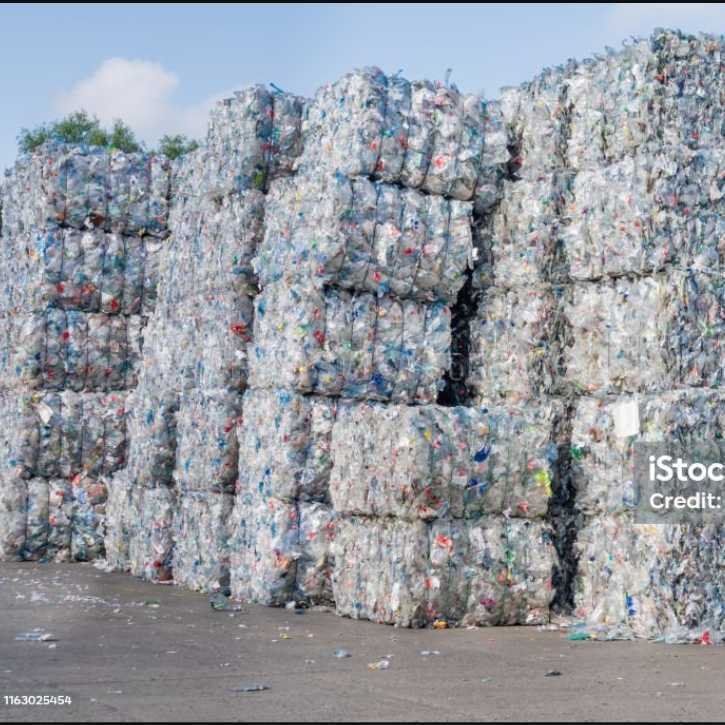
PET, commonly identified by the “1” recycling symbol, is one of the most widely recycled different kinds of plastic waste. It’s renowned for its clarity, strength, and lightweight properties, making it ideal for single-use beverage bottles (water, soft drinks), food containers, and polyester fibers used in clothing. Post-consumer PET scrap, such as clear or colored bottles, is highly sought after globally. When recycled, PET can be transformed into new bottles, packaging, strapping, and textile fibers for carpets or apparel. Its high demand across target markets like Canada, the USA, and the UAE underscores its economic significance in the plastic recycling industry. Proper collection and baling of PET scrap ensure its value is maximized for reprocessors.
High-Density Polyethylene (HDPE) Scrap (#2)
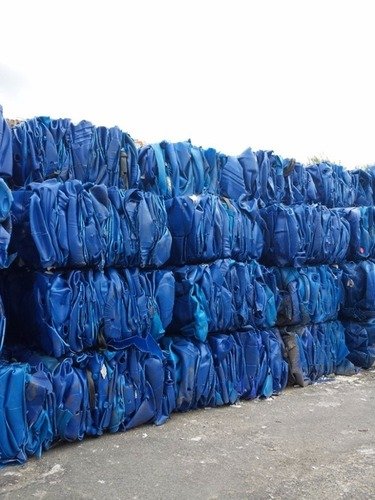
HDPE, marked with the “2” recycling symbol, represents another critical category among the different kinds of plastic waste. It is known for its excellent strength-to-density ratio, chemical resistance, and rigidity. Common applications include milk jugs, detergent bottles, motor oil bottles, certain food containers, and larger items like plastic lumber, playground equipment, and sturdy pipes. HDPE scrap, particularly from industrial drums and pipes, holds significant value due to its robust properties. The recycling process for HDPE often involves shredding, washing, and pelletizing, turning it into raw material for new non-food-grade bottles, pipes, crates, and automotive parts. Al Saham Al Ahmar facilitates the trade of high-quality HDPE scrap, including industrial grades from Sharjah and other key regions, ensuring it meets international standards for diverse manufacturing needs.
Polyvinyl Chloride (PVC) Scrap (#3)
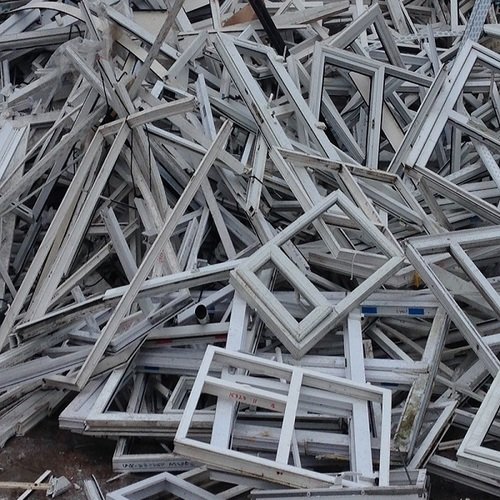
PVC, identified by the “3” recycling symbol, is a versatile polymer with unique properties that set it apart from other different kinds of plastic waste. It’s exceptionally durable, resistant to chemicals and weathering, and offers excellent insulation. These characteristics make it indispensable for construction materials like pipes and fittings, window frames, flooring, electrical cable insulation, and some non-food packaging. While PVC recycling can be more complex due to its chlorine content and various additives, advanced recycling technologies are making it increasingly viable. Recycled PVC finds new life in construction products, garden hoses, speed bumps, and flooring. Al Saham Al Ahmar sources high-grade PVC scrap for specialized processing capabilities, including regrind rigid PVC pipe and window profile scrap, serving markets with specific industrial requirements for this material.
Exploring Other Key Different Kinds of Plastic Waste
Beyond PET, HDPE, and PVC, several other different kinds of plastic waste play vital roles in the global recycling landscape:
- Low-Density Polyethylene (LDPE) Scrap (#4): Known for its flexibility and transparency, LDPE is used for plastic bags, film packaging, and squeeze bottles. It’s challenging to recycle due to its lightweight nature but crucial for reducing landfill waste, often processed into refuse bags, lumber, or industrial film.
- Polypropylene (PP) Scrap (#5): PP is a robust, heat-resistant plastic found in bottle caps, automotive parts, food containers (e.g., yogurt pots), and industrial fibers. Recycled PP can be used for car battery cases, brooms, brushes, and trays.
- Polystyrene (PS) Scrap (#6): PS comes in rigid and foam forms (Styrofoam). It’s used for disposable cutlery, CD cases, and insulation. While once considered difficult to recycle, advancements are creating new markets for recycled PS in insulation, egg cartons, and architectural molding.
- “Other” Plastics (#7): This category includes all other types of plastics or multi-layer combinations, such as polycarbonates (PC), ABS, and blends. Recycling these often requires specialized processes, but Al Saham Al Ahmar is adept at identifying and matching these unique streams with suitable buyers.
Partnering for a Sustainable Future: Al Saham Al Ahmar’s Commitment
At Al Saham Al Ahmar, we understand the complexities involved in managing different kinds of plastic waste. Our expertise lies in our meticulous sourcing, stringent quality control, and extensive global network, connecting suppliers with reliable buyers in Canada, Malaysia, Vietnam, Singapore, Turkey, USA, Oman, Qatar, and Saudi Arabia. We are committed to fostering a more sustainable future by facilitating the efficient circulation of valuable plastic resources back into the manufacturing cycle. Our operations adhere to international best practices, aligning with global initiatives for sustainable resource management and plastic recycling standards set by organizations like the International Organization for Standardization (ISO). By choosing Al Saham Al Ahmar, you partner with an industry leader dedicated to environmental stewardship and economic efficiency in the plastic scrap market.
Connect with Al Saham Al Ahmar Today
Are you looking to source specific different kinds of plastic waste or have plastic scrap to sell? Our team of experts is ready to assist you with tailored solutions that meet your precise needs. Reach out to Al Saham Al Ahmar for reliable, high-quality plastic scrap solutions and contribute to a healthier planet.
Contact Us:
Email: nadeemalsaham@gmail.com
-
HDPE 100 Scrap: HDPE 100 represents a premium, high-performance grade of High-Density Polyethylene, specifically engineered for applications demanding superior strength, rigidity, and exceptional resistance to internal pressure and external stresses. Its distinct molecular structure, characterized by a higher density and a more tightly packed polymer chain, imparts enhanced mechanical properties compared to standard HDPE grades. This makes HDPE 100 the material of choice for critical infrastructure projects, particularly in the manufacturing of pressure pipes for potable water supply, gas distribution networks, wastewater management, and industrial fluid transportation. These pipes exhibit remarkable resistance to abrasion, impact, and a broad spectrum of aggressive chemicals, including acids, alkalis, and various solvents, ensuring an extended service life often exceeding 50 years without corrosion or scaling issues. The inherent durability and long-term performance of HDPE 100 products translate into valuable scrap material once they reach their end-of-life or during manufacturing off-cuts. Al Saham Al Ahmar recognizes the significant value of HDPE 100 scrap, which, after meticulous sorting, shredding, washing, and pelletizing, can be reprocessed into new high-pressure pipes, protective conduits, geomembranes for environmental applications, and other durable goods such as robust outdoor furniture, agricultural implements, and automotive components. The high purity and consistent mechanical properties of recycled HDPE 100 make it a highly desirable commodity, driving the circular economy by reducing reliance on virgin feedstocks and minimizing environmental impact. Our expertise ensures that this specialized plastic waste stream is efficiently matched with buyers who appreciate its premium qualities.
-
PC Bottle Scrap: Polycarbonate (PC) bottle scrap is a valuable commodity derived primarily from large, reusable water dispenser bottles (often 5-gallon), baby bottles (though less common now due to BPA concerns), and sometimes from specialized food and beverage containers. PC is a thermoplastic polymer celebrated for its outstanding properties: exceptional transparency, high impact strength, excellent heat resistance, and good dimensional stability. These attributes make it highly suitable for applications where clarity and toughness are paramount. In its original form, PC bottles offer a lightweight, shatter-resistant alternative to glass, capable of withstanding repeated washing and sterilization cycles. However, the presence of Bisphenol A (BPA) in some older PC formulations led to a shift away from its use in baby bottles and certain food contact applications, particularly in regions with stricter regulations. Despite this, PC remains a crucial material in other industries. The recycling of PC bottle scrap requires careful sorting to ensure purity, especially to differentiate it from other clear plastics like PET or PS. Once collected, cleaned, and processed, recycled PC can be transformed into a variety of high-performance products. Common end-uses include automotive components (headlight lenses, dashboards), electronic housings, protective eyewear, CDs/DVDs (though declining), construction materials, and even new industrial-grade bottles or sheets. Al Saham Al Ahmar has established robust networks to handle PC bottle scrap, ensuring its efficient collection and connection with specialized recyclers capable of harnessing its unique high-performance characteristics for new, sustainable applications, thereby extending the lifecycle of this resilient plastic.
-
HDPE Jerry Can Scrap: HDPE jerry can scrap originates from the ubiquitous, robust containers used globally for safely storing and transporting liquids such as fuel, lubricants, chemicals, water, and various industrial fluids. These jerry cans, typically identifiable by their sturdy design and often ribbed structure, are predominantly manufactured from High-Density Polyethylene (HDPE) due to its exceptional combination of properties. HDPE offers remarkable chemical resistance, preventing degradation from aggressive substances, alongside excellent impact strength and rigidity, which protects contents during handling and transit. Furthermore, its impermeability prevents leakage and contamination, making it a reliable choice for hazardous and non-hazardous materials alike. The scrap stream includes post-consumer jerry cans, industrial bulk collections, and manufacturing rejects. Collecting and processing HDPE jerry can scrap is an environmentally responsible practice that diverts significant volumes of plastic from landfills. However, careful consideration is required during collection, as residues from their original contents must be thoroughly cleaned to prevent cross-contamination and ensure the safety and quality of the recycled material. Once cleaned, shredded, and granulated, the HDPE material can be reprocessed into a diverse array of new products. Common applications for recycled HDPE from jerry cans include robust pipes for drainage or conduit, durable components for automotive parts (like wheel wells or battery cases), pallets, crates, garden furniture, and even new non-food-grade jerry cans or other industrial containers. Al Saham Al Ahmar specializes in managing these complex streams, ensuring that HDPE jerry can scrap is collected, prepared, and supplied to manufacturers who can effectively utilize its inherent durability and chemical resistance to create valuable, sustainable products, thereby closing the loop on a critical industrial plastic.
-
HDPE IBC Tank Scrap: Intermediate Bulk Containers (IBCs), often referred to as IBC tanks or totes, are large, rigid containers widely used in industrial settings for the storage and transportation of bulk liquids, powders, and granular substances. The inner bottle or bladder of most modern IBCs is primarily constructed from High-Density Polyethylene (HDPE), chosen for its outstanding strength, chemical resistance, and durability, capable of withstanding significant volumes and weights. These HDPE bottles are typically encased within a robust metal frame (often galvanized steel) for structural integrity and ease of handling with forklifts. The scrap generated from IBC tanks typically comes from end-of-life units, damaged containers, or manufacturing off-cuts. Given their large size and the industrial nature of their previous contents (which can range from food-grade liquids to hazardous chemicals or oils), the recycling of HDPE IBC tank scrap presents unique challenges and opportunities. Thorough cleaning and decontamination are paramount to ensure the safety and purity of the recycled material, especially when dealing with residues of chemicals. The metal frame must also be separated from the plastic liner, adding a step to the recycling process. Once the HDPE liner is cleaned, shredded, and granulated, it becomes a valuable resource. Recycled HDPE from IBC tanks is particularly prized for its robust properties, making it suitable for heavy-duty applications. It can be reprocessed into large diameter pipes, industrial pallets, road barriers, construction sheets, composite lumber, and other high-strength molded components. Al Saham Al Ahmar possesses the expertise and network to efficiently handle the logistics and processing requirements for HDPE IBC tank scrap, connecting suppliers of these large-format industrial plastics with advanced recycling facilities, thus transforming a challenging waste stream into a valuable raw material for sustainable manufacturing practices globally.
-
LLDPE Road Barrier Roto Scrap: Linear Low-Density Polyethylene (LLDPE) road barrier roto scrap refers to the waste material generated from the rotational molding of road barriers, traffic cones, and other temporary safety equipment. LLDPE is a polymer renowned for its excellent impact strength, flexibility, and puncture resistance, making it an ideal choice for products that need to withstand harsh outdoor conditions, repeated impacts from vehicles, and exposure to UV radiation. The rotational molding process, which creates hollow, seamless, and stress-free parts, further enhances the durability of these barriers. Scrap typically includes off-cuts, rejects, or end-of-life barriers that are no longer fit for purpose. These barriers are often colored (e.g., orange, red, white) and may contain UV stabilizers and pigments, which need to be managed during recycling. The primary advantage of recycling LLDPE road barrier scrap is to recover a durable, weather-resistant plastic that would otherwise occupy significant landfill space. The recycling process involves collecting, sorting, often draining any water or sand used as ballast, shredding, and then either regrinding for direct re-rotational molding or pelletizing for other extrusion or molding applications. Recycled LLDPE from road barriers can be re-manufactured into new road barriers, albeit sometimes in darker colors due to pigment mixing, or it can be used for products like drainage pipes, agricultural films, geomembranes, and various molded industrial components where flexibility and impact resistance are key. Al Saham Al Ahmar understands the specific requirements for handling and processing LLDPE roto scrap, ensuring that this valuable and resilient material is efficiently diverted from waste streams and integrated back into the manufacturing cycle, supporting sustainable infrastructure and resource management.
-
PVC Cable Grade Scrap: PVC cable grade scrap is a significant waste stream derived from discarded electrical and telecommunication cables. Polyvinyl Chloride (PVC) is extensively used in cable manufacturing due to its exceptional insulating properties, flame retardancy, flexibility, and resistance to chemicals, oil, and abrasion. These characteristics make it ideal for protecting conductors and ensuring the safe transmission of electricity and data in a wide range of applications, from domestic wiring to heavy industrial power cables. The scrap includes end-of-life cables, off-cuts from manufacturing, and demolition waste. Recycling PVC cable scrap is a complex but crucial process due to its composition. Cables typically consist of a copper or aluminum conductor encased in PVC insulation and often an outer PVC sheath, sometimes with other layers like textile fillers or steel armouring. The primary challenge in recycling lies in separating the PVC from the metal conductor and other components, and in dealing with various additives like plasticizers, stabilizers, and pigments used to tailor the PVC’s properties. Historically, older PVC cables might also contain heavy metal stabilizers, posing an environmental challenge. Modern recycling technologies involve sophisticated mechanical separation techniques, such as shredding, granulation, and electrostatic or density separation, to recover high-purity PVC and metals. Once separated and processed, recycled PVC cable grade can be re-used in a variety of applications, including new cable sheathing (non-critical applications), drainage pipes, hoses, floor coverings, footwear components, and construction profiles. Al Saham Al Ahmar is proficient in sourcing and managing PVC cable grade scrap, connecting suppliers with specialized recyclers capable of extracting maximum value from this multi-component waste stream, contributing to both material recovery and responsible waste management.
-
PVC Medical Grade Scrap: PVC medical grade scrap originates from a vast array of single-use and reusable medical devices, playing a critical role in healthcare settings globally. Polyvinyl Chloride (PVC) is favored for medical applications due to its unique combination of properties: excellent flexibility (when plasticized), optical clarity, sterilizability (steam, gamma, ETO), chemical resistance, and cost-effectiveness. These characteristics make it indispensable for products such as intravenous (IV) bags, blood bags, tubing for various medical lines (e.g., dialysis, oxygen), catheters, surgical drapes, and certain disposable gloves. The scrap stream primarily consists of post-consumer waste from hospitals and clinics, though strict regulatory and hygienic requirements make its recycling particularly challenging. Key concerns include potential contamination with bodily fluids, pharmaceuticals, or infectious agents, and the need to maintain stringent quality control to ensure recycled material meets specific safety and performance standards. Due to these complexities, PVC medical scrap often requires specialized collection protocols, thorough decontamination, and dedicated recycling facilities that can handle medical waste. Modern recycling efforts focus on closed-loop systems within hospitals or specialized facilities that can sterilize and process the material. Once appropriately cleaned and processed, recycled medical-grade PVC can be transformed into non-critical medical devices (e.g., hospital flooring, bed frames), or high-value industrial and consumer products like robust hoses, electrical conduits, and certain building materials, where its durability and chemical resistance are beneficial. Al Saham Al Ahmar understands the sensitive nature and high value of PVC medical grade scrap, facilitating its responsible collection and connection to advanced recycling pathways that adhere to strict safety and environmental standards, contributing to a more sustainable healthcare industry.
-
HDPE 100 Scrap: HDPE 100 represents a premium, high-performance grade of High-Density Polyethylene, specifically engineered for applications demanding superior strength, rigidity, and exceptional resistance to internal pressure and external stresses. Its distinct molecular structure, characterized by a higher density and a more tightly packed polymer chain, imparts enhanced mechanical properties compared to standard HDPE grades. This makes HDPE 100 the material of choice for critical infrastructure projects, particularly in the manufacturing of pressure pipes for potable water supply, gas distribution networks, wastewater management, and industrial fluid transportation. These pipes exhibit remarkable resistance to abrasion, impact, and a broad spectrum
of aggressive chemicals, including acids, alkalis, and various solvents, ensuring an extended service life often exceeding 50 years without corrosion or scaling issues. The inherent durability and long-term performance of HDPE 100 products translate into valuable scrap material once they reach their end-of-life or during manufacturing off-cuts. Al Saham Al Ahmar recognizes the significant value of HDPE 100 scrap, which,
after meticulous sorting, shredding, washing, and pelletizing, can be reprocessed into new high-pressure pipes, protective conduits, geomembranes for environmental applications, and other durable goods such as robust outdoor furniture, agricultural implements, and automotive components. The high purity and consistent mechanical properties of recycled HDPE 100 make it a highly desirable commodity, driving the circular economy by reducing reliance on virgin feedstocks and minimizing environmental impact. Our expertise ensures that this specialized plastic waste stream is efficiently matched with buyers who appreciate its premium qualities.
-
PC Bottle Scrap: Polycarbonate (PC) bottle scrap is a valuable commodity derived primarily from large, reusable water dispenser bottles (often 5-gallon), baby bottles (though less common now due to BPA concerns), and sometimes from specialized food and beverage containers. PC is a thermoplastic polymer celebrated for its outstanding properties: exceptional transparency, high impact strength, excellent heat resistance, and good dimensional stability. These attributes make it highly suitable for applications where clarity and toughness are paramount. In its original form, PC bottles offer a lightweight, shatter-resistant alternative to glass, capable of withstanding repeated washing and sterilization cycles. However, the presence of Bisphenol A (BPA) in some older PC formulations led to a shift away from its use in baby bottles and certain food contact applications, particularly in regions with stricter regulations. Despite this, PC remains a crucial material in other industries. The recycling of PC bottle scrap requires careful sorting to ensure purity, especially to differentiate it from other clear plastics like PET or PS. Once collected, cleaned, and processed, recycled PC can be transformed into a variety of high-performance products. Common end-uses include automotive components (headlight lenses, dashboards), electronic housings, protective eyewear, CDs/DVDs (though declining), construction materials, and even new industrial-grade bottles or sheets. Al Saham Al Ahmar has established robust networks to handle PC bottle scrap, ensuring its efficient collection and connection with specialized recyclers capable of harnessing its unique high-performance characteristics for new, sustainable applications, thereby extending the lifecycle of this resilient plastic.
-
HDPE Jerry Can Scrap: HDPE jerry can scrap originates from the ubiquitous, robust containers used globally for safely storing and transporting liquids such as fuel, lubricants, chemicals, water, and various industrial fluids. These jerry cans, typically identifiable by their sturdy design and often ribbed structure, are predominantly manufactured from High-Density Polyethylene (HDPE) due to its exceptional combination of properties. HDPE offers remarkable chemical resistance, preventing degradation from aggressive substances, alongside excellent impact strength and rigidity, which protects contents during handling and transit. Furthermore, its impermeability prevents leakage and contamination, making it a reliable choice for hazardous and non-hazardous materials alike. The scrap stream includes post-consumer jerry cans, industrial bulk collections, and manufacturing rejects. Collecting and processing HDPE jerry can scrap is an environmentally responsible practice that diverts significant volumes of plastic from landfills. However, careful consideration is required during collection, as residues from their original contents must be thoroughly cleaned to prevent cross-contamination and ensure the safety and quality of the recycled material. Once cleaned, shredded, and granulated, the HDPE material can be reprocessed into a diverse array of new products. Common applications for recycled HDPE from jerry cans include robust pipes for drainage or conduit, durable components for automotive parts (like wheel wells or battery cases), pallets, crates, garden furniture, and even new non-food-grade jerry cans or other industrial containers. Al Saham Al Ahmar specializes in managing these complex streams, ensuring that HDPE jerry can scrap is collected, prepared, and supplied to manufacturers who can effectively utilize its inherent durability and chemical resistance to create valuable, sustainable products, thereby closing the loop on a critical industrial plastic.
-
HDPE IBC Tank Scrap: Intermediate Bulk Containers (IBCs), often referred to as IBC tanks or totes, are large, rigid containers widely used in industrial settings for the storage and transportation of bulk liquids, powders, and granular substances. The inner bottle or bladder of most modern IBCs is primarily constructed from High-Density Polyethylene (HDPE), chosen for its outstanding strength, chemical resistance, and durability, capable of withstanding significant volumes and weights. These HDPE bottles are typically encased within a robust metal frame (often galvanized steel) for structural integrity and ease of handling with forklifts. The scrap generated from IBC tanks typically comes from end-of-life units, damaged containers, or manufacturing off-cuts. Given their large size and the industrial nature of their previous contents (which can range from food-grade liquids to hazardous chemicals or oils), the recycling of HDPE IBC tank scrap presents unique challenges and opportunities. Thorough cleaning and decontamination are paramount to ensure the safety and purity of the recycled material, especially when dealing with residues of chemicals. The metal frame must also be separated from the plastic liner, adding a step to the recycling process. Once the HDPE liner is cleaned, shredded, and granulated, it becomes a valuable resource. Recycled HDPE from IBC tanks is particularly prized for its robust properties, making it suitable for heavy-duty applications. It can be reprocessed into large diameter pipes, industrial pallets, road barriers, construction sheets, composite lumber, and other high-strength molded components. Al Saham Al Ahmar possesses the expertise and network to efficiently handle the logistics and processing requirements for HDPE IBC tank scrap, connecting suppliers of these large-format industrial plastics with advanced recycling facilities, thus transforming a challenging waste stream into a valuable raw material for sustainable manufacturing practices globally.
-
LLDPE Road Barrier Roto Scrap: Linear Low-Density Polyethylene (LLDPE) road barrier roto scrap refers to the waste material generated from the rotational molding of road barriers, traffic cones, and other temporary safety equipment. LLDPE is a polymer renowned for its excellent impact strength, flexibility, and puncture resistance, making it an ideal choice for products that need to withstand harsh outdoor conditions, repeated impacts from vehicles, and exposure to UV radiation. The rotational molding process, which creates hollow, seamless, and stress-free parts, further enhances the durability of these barriers. Scrap typically includes off-cuts, rejects, or end-of-life barriers that are no longer fit for purpose. These barriers are often colored (e.g., orange, red, white) and may contain UV stabilizers and pigments, which need to be managed during recycling. The primary advantage of recycling LLDPE road barrier scrap is to recover a durable, weather-resistant plastic that would otherwise occupy significant landfill space. The recycling process involves collecting, sorting, often draining any water or sand used as ballast, shredding, and then either regrinding for direct re-rotational molding or pelletizing for other extrusion or molding applications. Recycled LLDPE from road barriers can be re-manufactured into new road barriers, albeit sometimes in darker colors due to pigment mixing, or it can be used for products like drainage pipes, agricultural films, geomembranes, and various molded industrial components where flexibility and impact resistance are key. Al Saham Al Ahmar understands the specific requirements for handling and processing LLDPE roto scrap, ensuring that this valuable and resilient material is efficiently diverted from waste streams and integrated back into the manufacturing cycle, supporting sustainable infrastructure and resource management.
-
PVC Cable Grade Scrap: PVC cable grade scrap is a significant waste stream derived from discarded electrical and telecommunication cables. Polyvinyl Chloride (PVC) is extensively used in cable manufacturing due to its exceptional insulating properties, flame retardancy, flexibility, and resistance to chemicals, oil, and abrasion. These characteristics make it ideal for protecting conductors and ensuring the safe transmission of electricity and data in a wide range of applications, from domestic wiring to heavy industrial power cables. The scrap includes end-of-life cables, off-cuts from manufacturing, and demolition waste. Recycling PVC cable scrap is a complex but crucial process due to its composition. Cables typically consist of a copper or aluminum conductor encased in PVC insulation and often an outer PVC sheath, sometimes with other layers like textile fillers or steel armouring. The primary challenge in recycling lies in separating the PVC from the metal conductor and other components, and in dealing with various additives like plasticizers, stabilizers, and pigments used to tailor the PVC’s properties. Historically, older PVC cables might also contain heavy metal stabilizers, posing an environmental challenge. Modern recycling technologies involve sophisticated mechanical separation techniques, such as shredding, granulation, and electrostatic or density separation, to recover high-purity PVC and metals. Once separated and processed, recycled PVC cable grade can be re-used in a variety of applications, including new cable sheathing (non-critical applications), drainage pipes, hoses, floor coverings, footwear components, and construction profiles. Al Saham Al Ahmar is proficient in sourcing and managing PVC cable grade scrap, connecting suppliers with specialized recyclers capable of extracting maximum value from this multi-component waste stream, contributing to both material recovery and responsible waste management.
-
PVC Medical Grade Scrap: PVC medical grade scrap originates from a vast array of single-use and reusable medical devices, playing a critical role in healthcare settings globally. Polyvinyl Chloride (PVC) is favored for medical applications due to its unique combination of properties: excellent flexibility (when plasticized), optical clarity, sterilizability (steam, gamma, ETO), chemical resistance, and cost-effectiveness. These characteristics make it indispensable for products such as intravenous (IV) bags, blood bags, tubing for various medical lines (e.g., dialysis, oxygen), catheters, surgical drapes, and certain disposable gloves. The scrap stream primarily consists of post-consumer waste from hospitals and clinics, though strict regulatory and hygienic requirements make its recycling particularly challenging. Key concerns include potential contamination with bodily fluids, pharmaceuticals, or infectious agents, and the need to maintain stringent quality control to ensure recycled material meets specific safety and performance standards. Due to these complexities, PVC medical scrap often requires specialized collection protocols, thorough decontamination, and dedicated recycling facilities that can handle medical waste. Modern recycling efforts focus on closed-loop systems within hospitals or specialized facilities that can sterilize and process the material. Once appropriately cleaned and processed, recycled medical-grade PVC can be transformed into non-critical medical devices (e.g., hospital flooring, bed frames), or high-value industrial and consumer products like robust hoses, electrical conduits, and certain building materials, where its durability and chemical resistance are beneficial. Al Saham Al Ahmar understands the sensitive nature and high value of PVC medical grade scrap, facilitating its responsible collection and connection to advanced recycling pathways that adhere to strict safety and environmental standards, contributing to a more sustainable healthcare industry.